Color is doing more than you think
Watch any film that has ever made you feel something and mute it. The emotion survives. A large part of what remains is color: the warmth that tells you a memory is tender, the cool that tells you to hold your breath, the shadow that gives a moment privacy.
That is not an accident of the camera. It is built, frame by frame, in the grade. If Color Grading 101 is the what, this is the how, and more importantly, the why.
Emotional grammar
Color operates below language. Nobody watches a first dance and consciously thinks "the amber highlights suggest nostalgia." They just feel that the moment is warm, close, already precious. That is the grade doing its work invisibly, the way a musical score works: you rarely notice it, and it is steering you the entire time.
In practice, that grammar is built from a few decisions per scene. Where does warmth live in this film, and what does it mean when it appears? How dark is dark, and what earns full shadow? What happens to color when the story turns: does a getting-ready scene carry the same palette as the dance floor, or does the film breathe from soft morning neutrals into saturated night?
Those choices form a system. When they are consistent, the audience trusts the film without knowing why. When they are random, the film feels like a playlist of clips. The word for the difference is architecture.
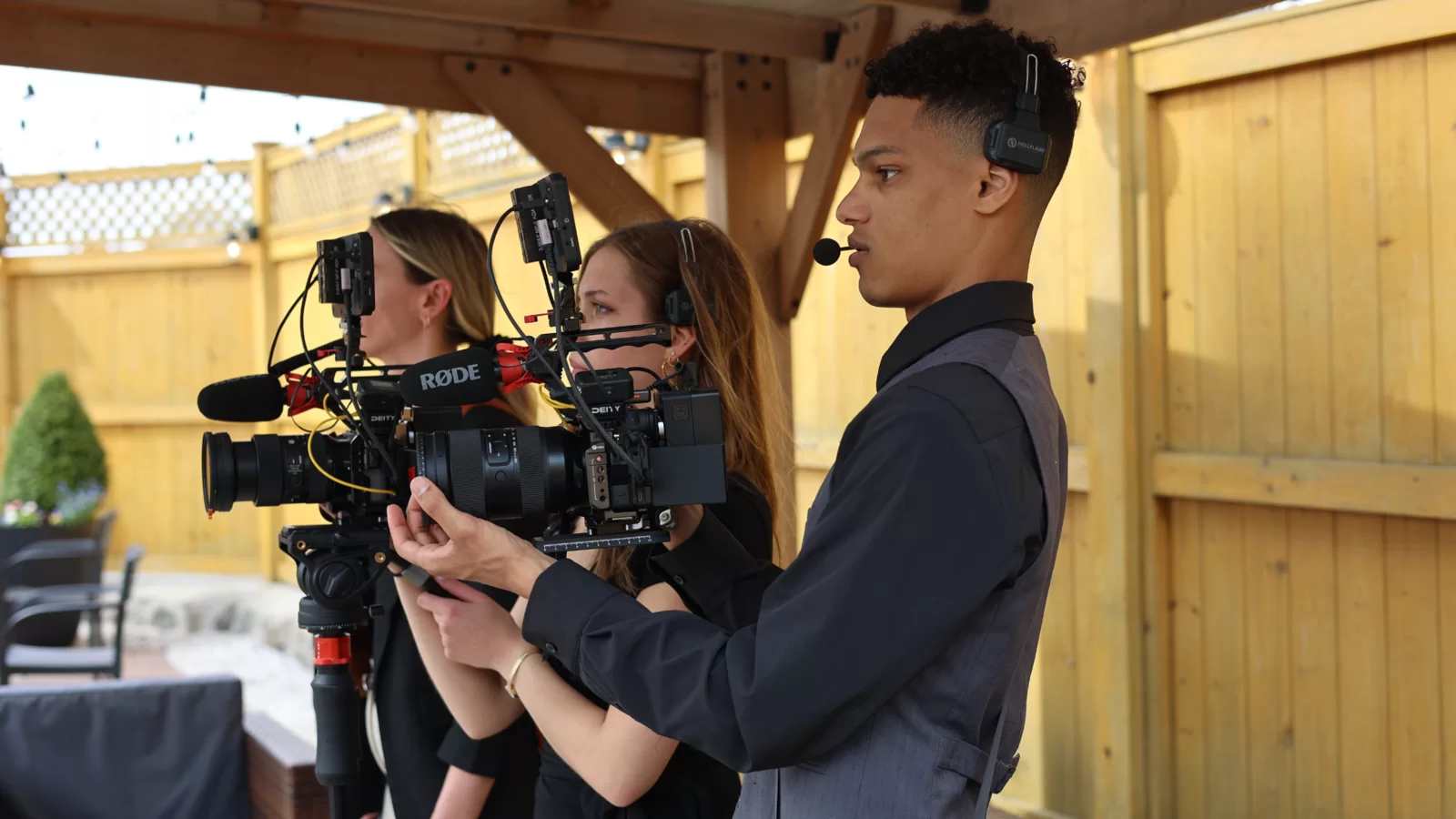
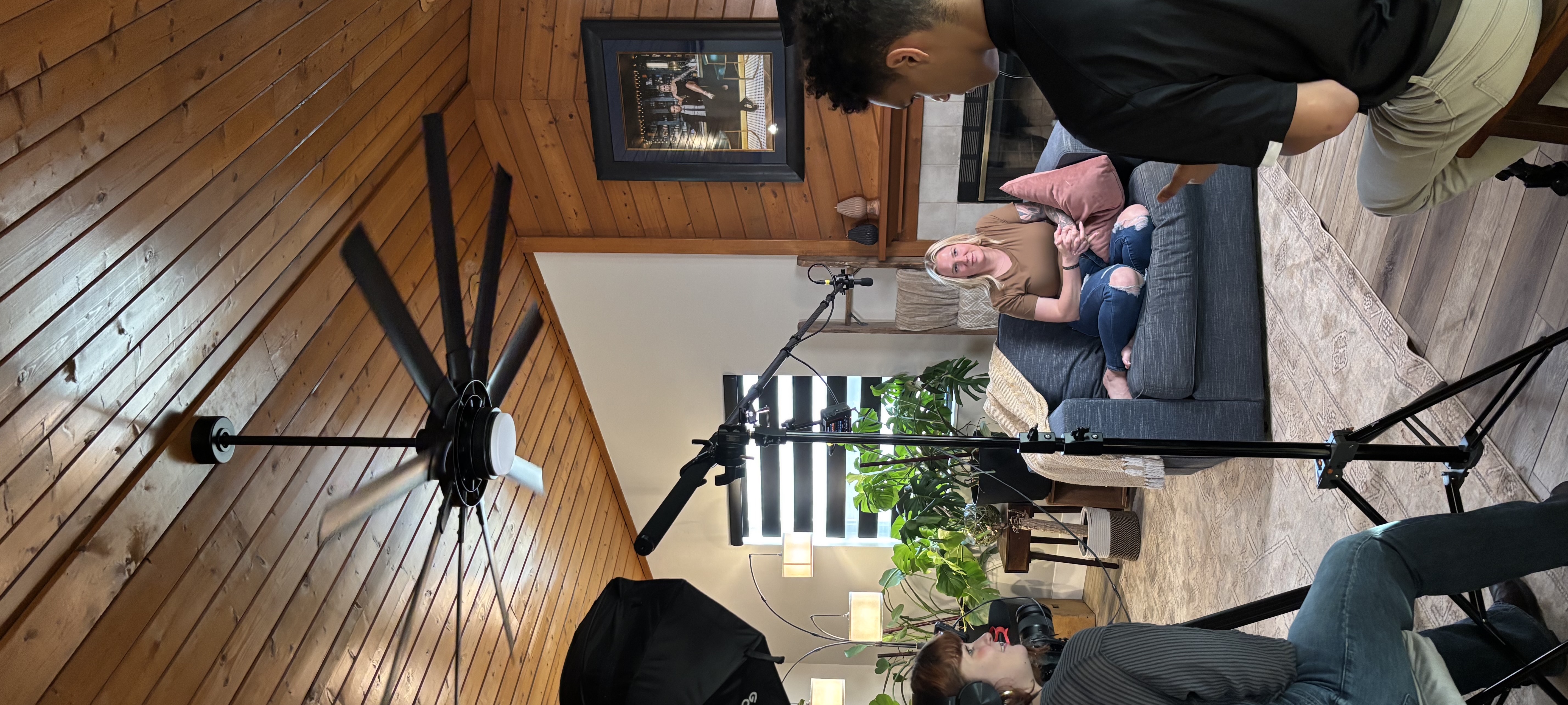 The grade starts on set: controlled light gives the color somewhere to go.
The discipline of restraint
Here is the unglamorous truth about high-end color: most of the craft is knowing when to stop.
Skin is the anchor. The human eye forgives a stylized sky and a moody shadow, but it will not forgive a face that drifted orange or green. Every grade we build is constructed around protecting believable, beautiful skin, and then everything else gets shaped around that fixed point.
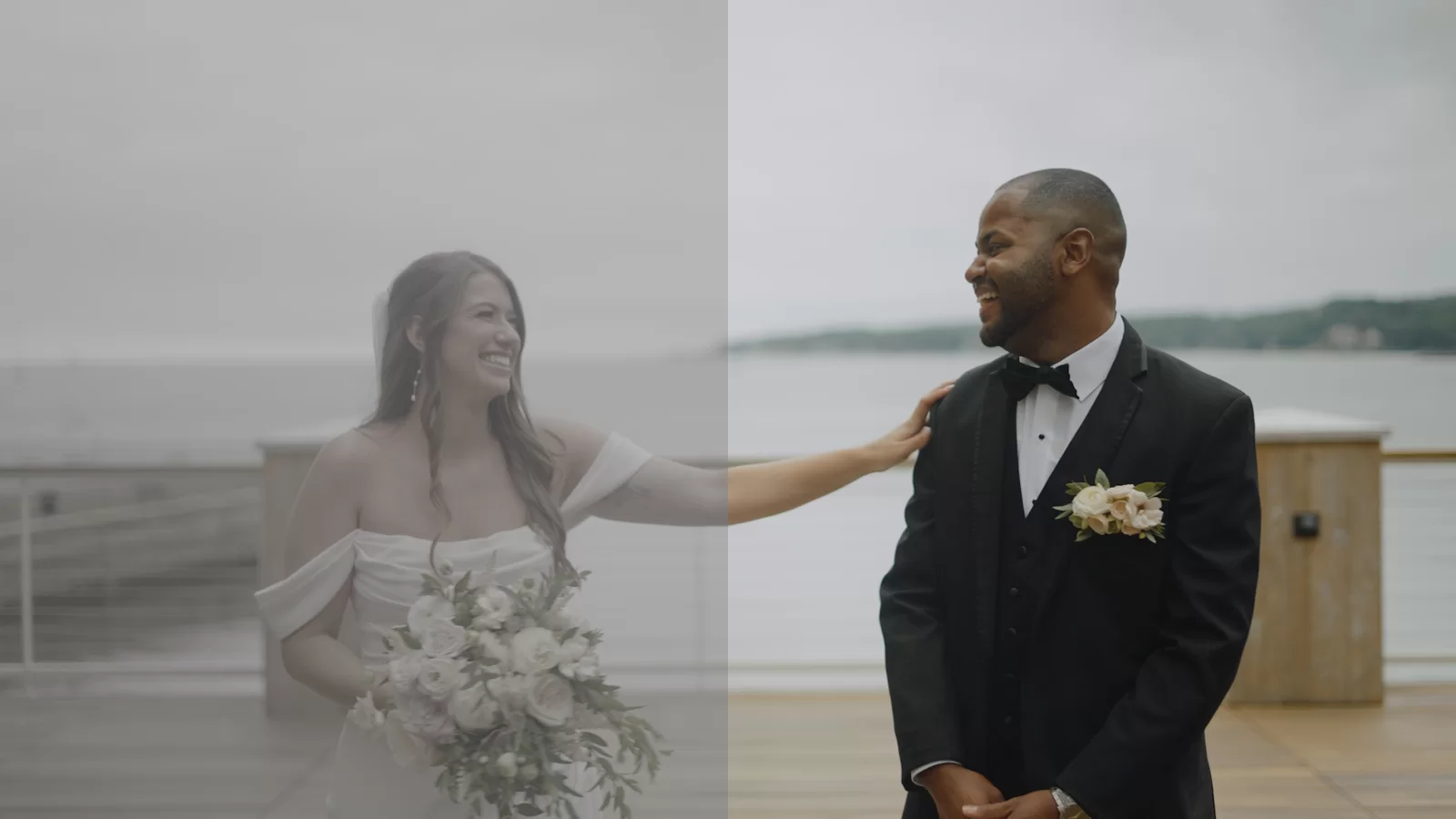
Trends pull the other way. Every year has a look: the crushed matte blacks of one era, the teal-and-orange of another, this year's washed pastel film-stock cosplay. Portfolio pages reward whatever is current. The problem is that a wedding film is not content. You will still be watching it when the trend is a punchline. So we hold a boring-sounding rule with very unboring results: the day's own palette leads, the grade amplifies. Candlelight gets to glow. A coastal Maine sky gets to be that specific silver-blue. Nothing gets costumed into a look it never wore.
Where awe actually comes from
The title of this piece makes a big claim, so let me cash it. Awe in a film almost never comes from one spectacular shot. It comes from accumulation: twenty minutes of scenes that all belong to the same world, rendered richer than memory but never faker than it, and then one moment, the doors opening, the room turning, a face crumpling mid-vow, where the grade leans in a half-step further and lands the weight.
That half-step only works because everything before it held the line. Awe is a budget. Restraint is how you save up for it.
What this looks like in the edit
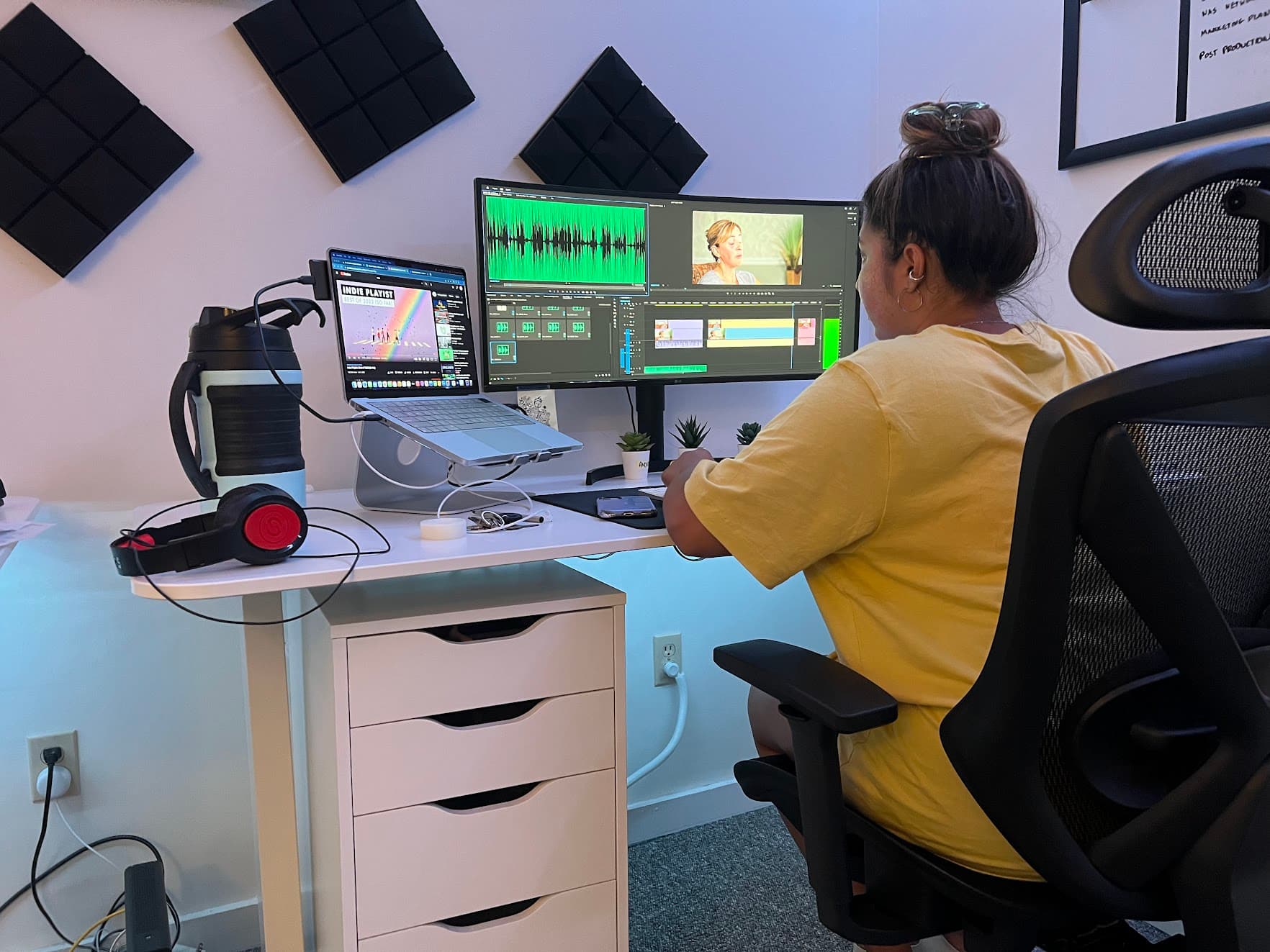
Mechanically, the work happens in layered passes on every single shot: balance first, so all cameras agree on reality; then the film's palette; then per-scene shaping for mood; then the frame-by-frame fixes nobody will ever consciously see. A single wedding film has hundreds of shots from multiple cameras, shot across a day where the light changed constantly. Making all of it feel inevitable, like it simply looked that way, is slow, deliberate work.
Which is exactly why it is worth it. When someone watches your film and says it looks like a movie, this is what they are detecting. Not a filter. A built thing. Architecture.
See the finished result on real films in our portfolio.