There is a question nobody in the wedding industry seems to be asking.
Most videographers will film your wedding, spend about two weeks editing, and hand you a file. You watch it once. Maybe you show it to a friend or two. Then it goes on a hard drive somewhere, and that is where it stays.
Not because the footage is bad. But because, honestly, most wedding videos are not actually enjoyable to watch. People sit through them because they feel obligated to, not because they are genuinely moved by what they are seeing.
That has never sat right with me.
This is supposed to be the most significant day of your life, captured on film. Something you show your grandkids one day. Something your family sits down to watch together, years from now, and feels everything all over again. That is the standard. And I think the industry has been falling short of it for a long time.
Video Stopped Being Optional
Look around. Everybody watches video, pretty much every day. Open any social app and it is video before anything else. Instagram built its empire on stills and then rebuilt the entire product around Reels. By most measures, video now makes up roughly 80 percent of consumer internet traffic. It is not a format anymore. It is the format.
Weddings are the one place that memo arrives late. When couples start planning coverage, most still think photographer first, and video as the nice-to-have if the budget stretches. I understand where that instinct comes from. It is how it worked for decades.
But think about what you actually reach for when you want to remember something. The way someone's voice sounded. The way a room erupted. The way your person looked at you while saying words they had never said out loud before. A photograph holds a moment. A film holds the moment happening. As video becomes the way we experience everything else in our lives, couples are realizing the same thing about their wedding day. Film is not the add-on. It is the record.
The Industry Is at a Crossroads
Wedding filmmaking in 2026 is splitting in two directions, and the gap is widening fast.
On one side, you have speed. Content creators with iPhones who film your wedding and deliver vertical clips for social media within 24 hours. It costs a fraction of what a traditional videographer charges, and it feeds the machine: TikTok, Reels, Stories. The engagement is immediate.
On the other side, you have craft. Filmmakers who treat your wedding like a real production, with intentional storytelling, layered audio, professional color science, and a narrative arc that makes the final film feel like something you would actually choose to watch.
Here is a tell you can use while shopping: listen to what a vendor brags about. When the loudest promise on the website is a fast delivery date, you are usually looking at an assembly line. Quick turnarounds are possible at scale for exactly one reason: the edit is a template. Same structure, same beats, different couple. Watch their films back to back and ask yourself honestly: is this actually entertaining? Is there a storyline? A narrative? Or is it four minutes of slow motion set to a song you will be tired of by your first anniversary?
Short-form content has its place, and trends are fun. But trends, by definition, age. Films have been around for over a century, and the format endures because it is built on story, not algorithms. A good film does not need a trending audio track to be worth watching.
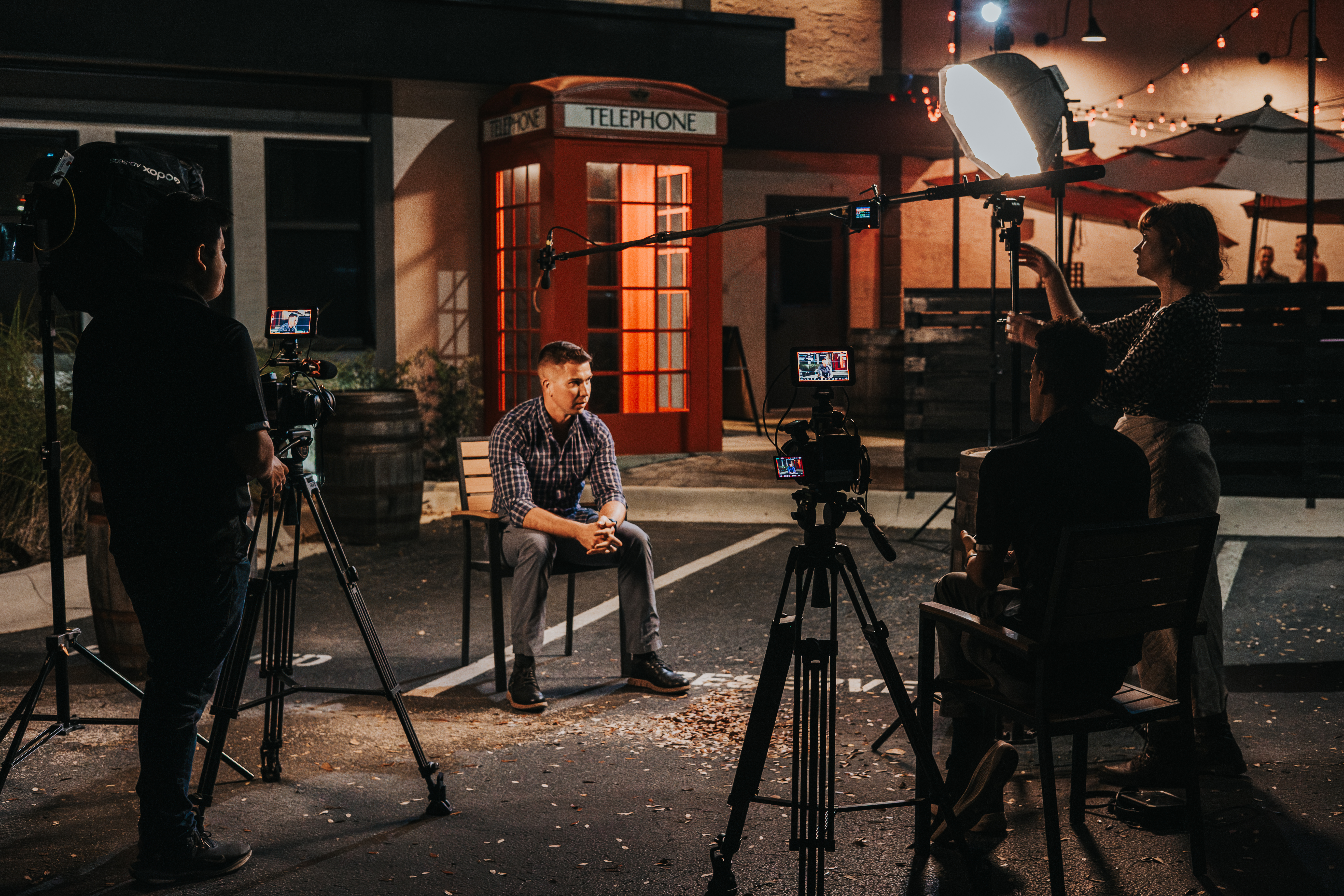
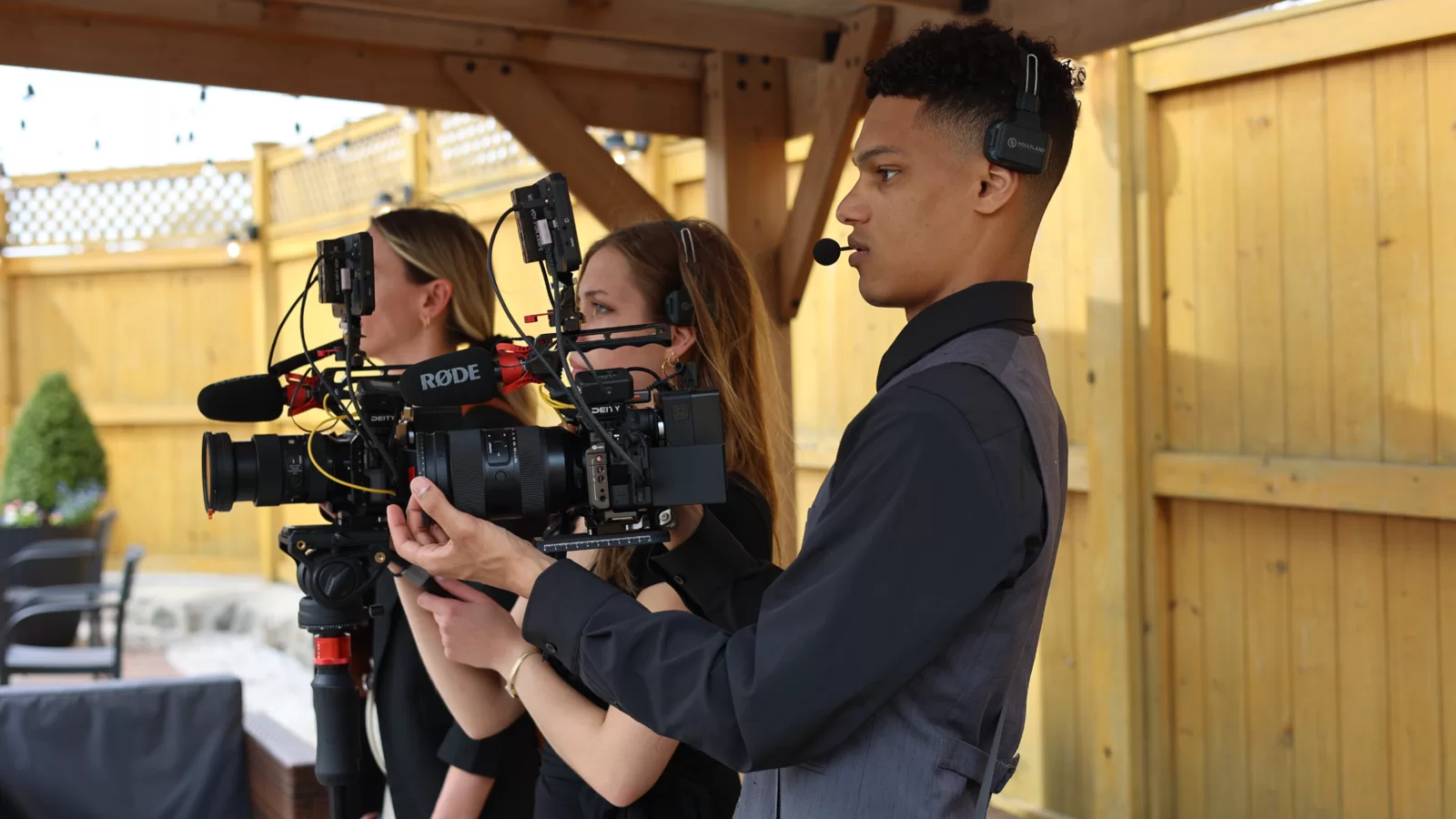
 Our team on set. Multiple cinema cameras, professional audio, intentional coverage. This is not a one-person-with-a-DSLR operation.
What Actually Goes Into a Film Worth Rewatching
I think most people do not realize what separates a wedding video from a wedding film. So let me pull the curtain back.
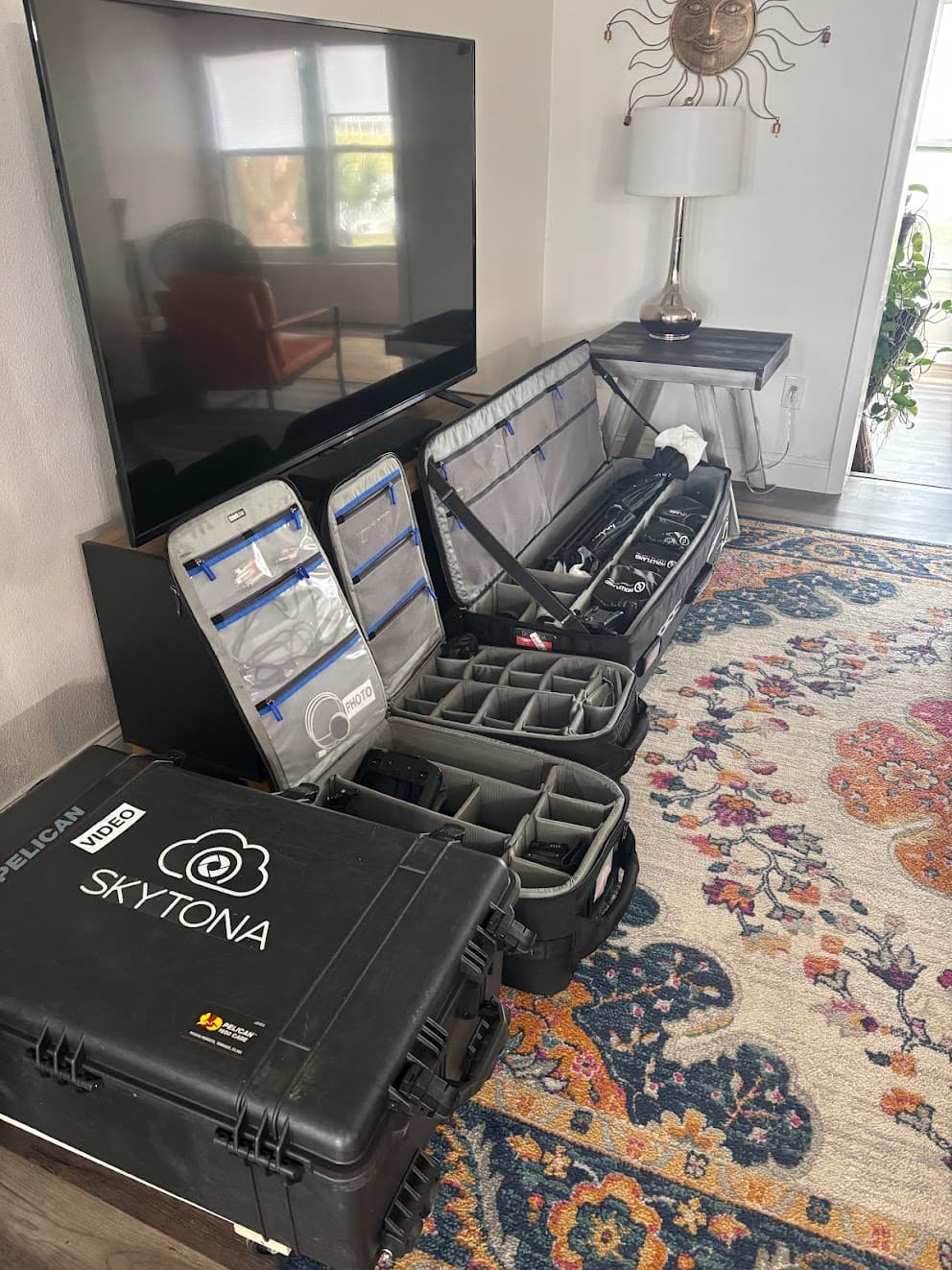
When we show up to your wedding, we are not just pressing record. We are running a full production. Depending on the package, that means up to four crew members, up to twelve microphones capturing audio from every critical moment, cinema cameras, gimbals, drones, and professional lighting.
But the real work starts after the wedding.
Sound Design
Most videographers take the footage, pick a song, lay it over the timeline, and export. That is why most wedding videos sound the same.
We are doing something fundamentally different. With 8 to 12 microphones capturing audio throughout the day, we are building a layered soundscape. Your vows. The laughter during the toasts. The way your voice cracked when you saw each other for the first time. Ambient sounds from the venue. The music that was playing when you had your first dance.
All of that gets woven together intentionally. The audio is not just background. It is the heartbeat of the film.
Story Architecture
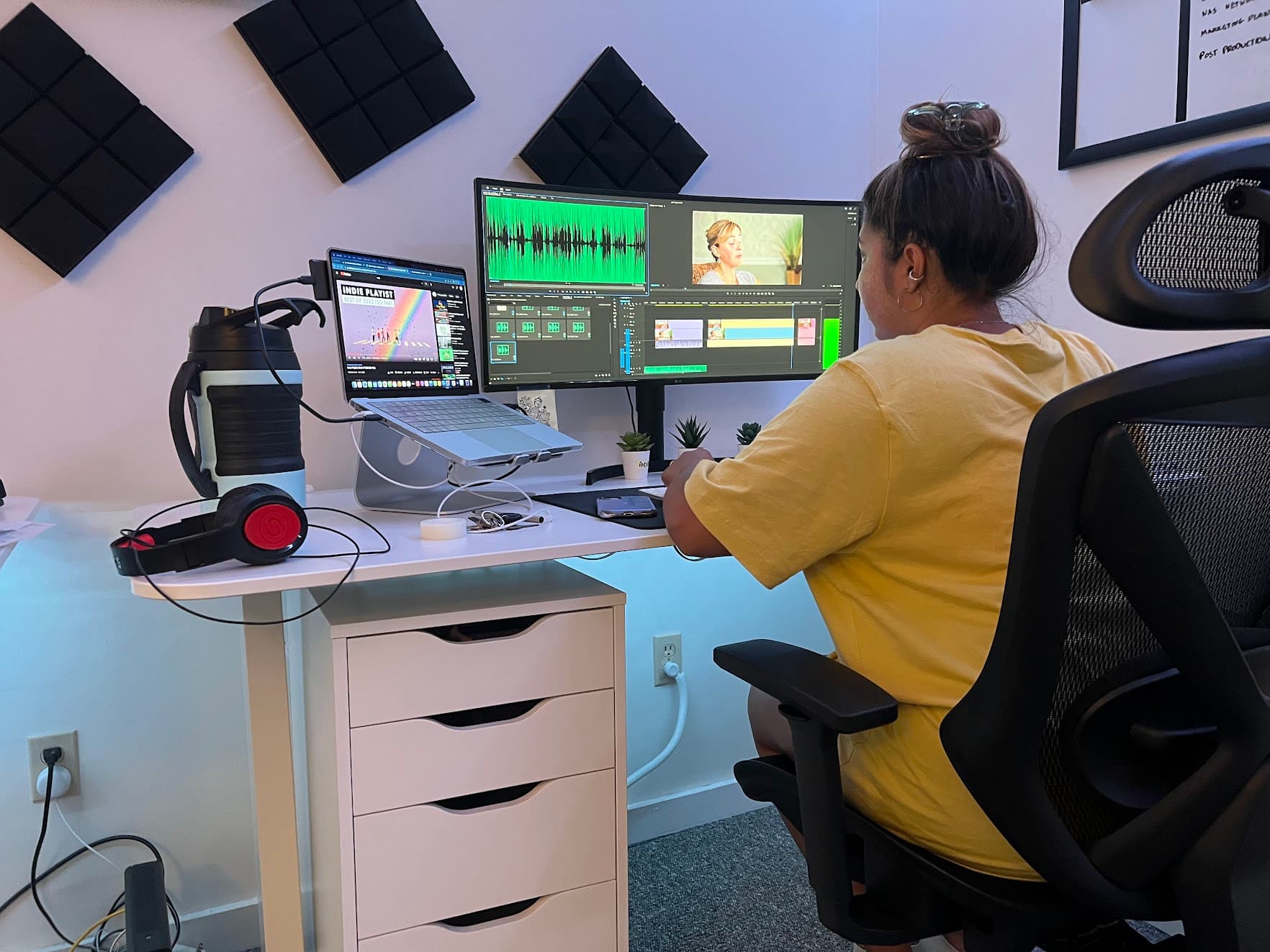
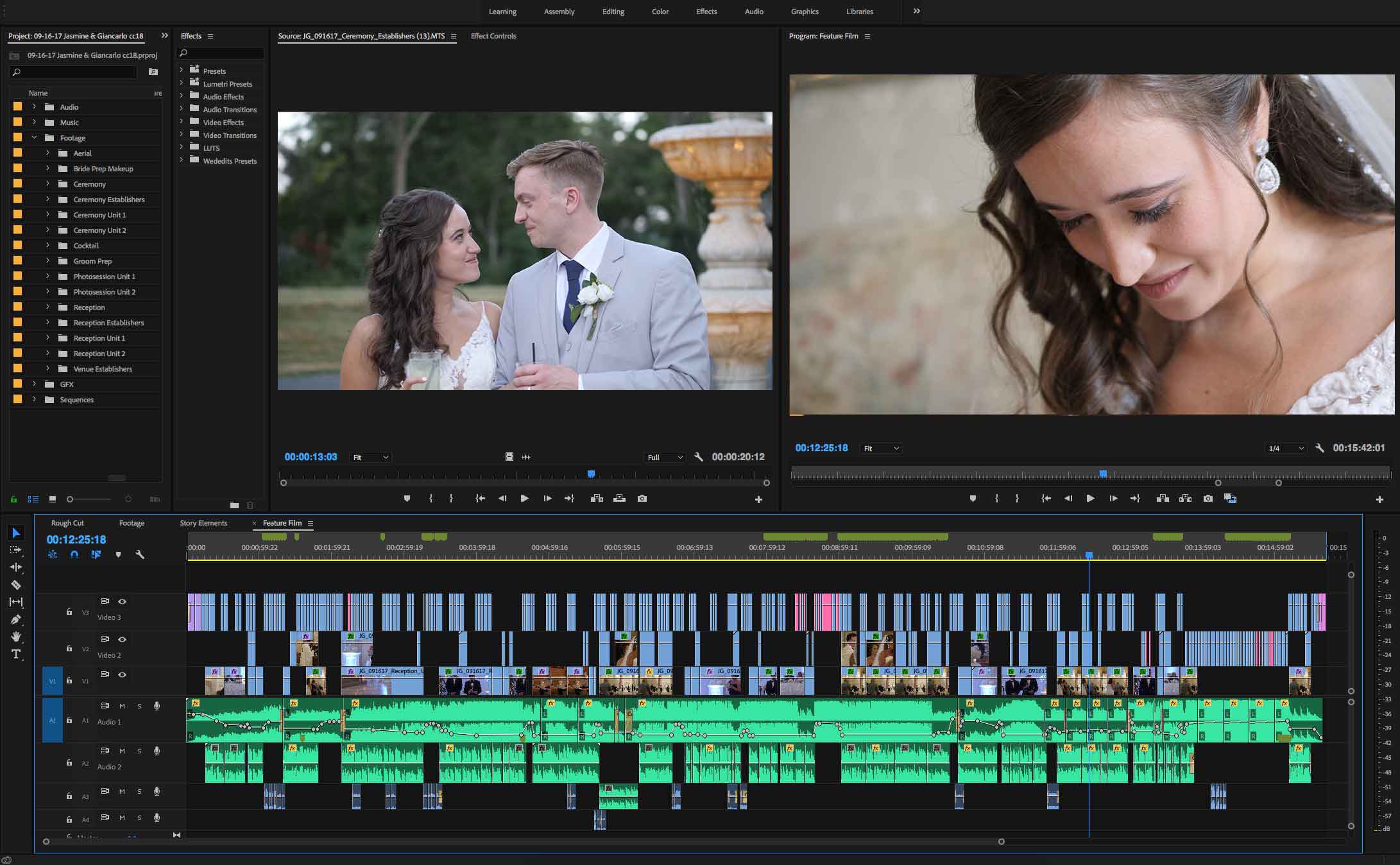 This is what a Skytona editing timeline actually looks like. Dozens of tracks, deliberate pacing, every cut intentional.
We do not edit chronologically. We are not just stringing together clips from the morning to the reception in the order they happened. We are building a narrative.
That means making hard decisions about what to include, what to leave out, and how to sequence moments for maximum emotional impact. A great film is not about showing everything. It is about showing the right things in the right order so that the viewer feels something real.
This is the part that takes the most time. And it is the part that most videographers skip entirely.
Color Science
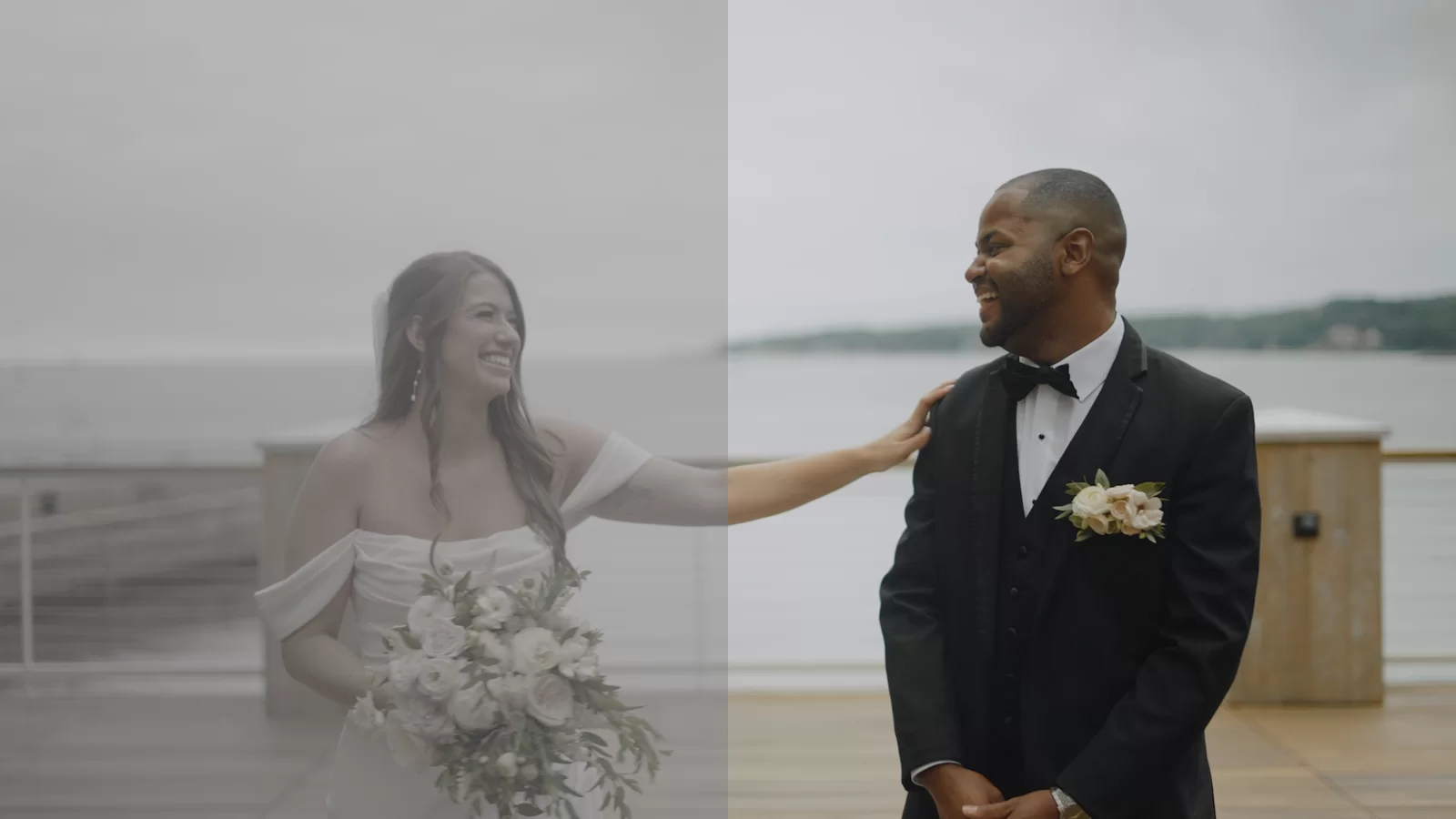
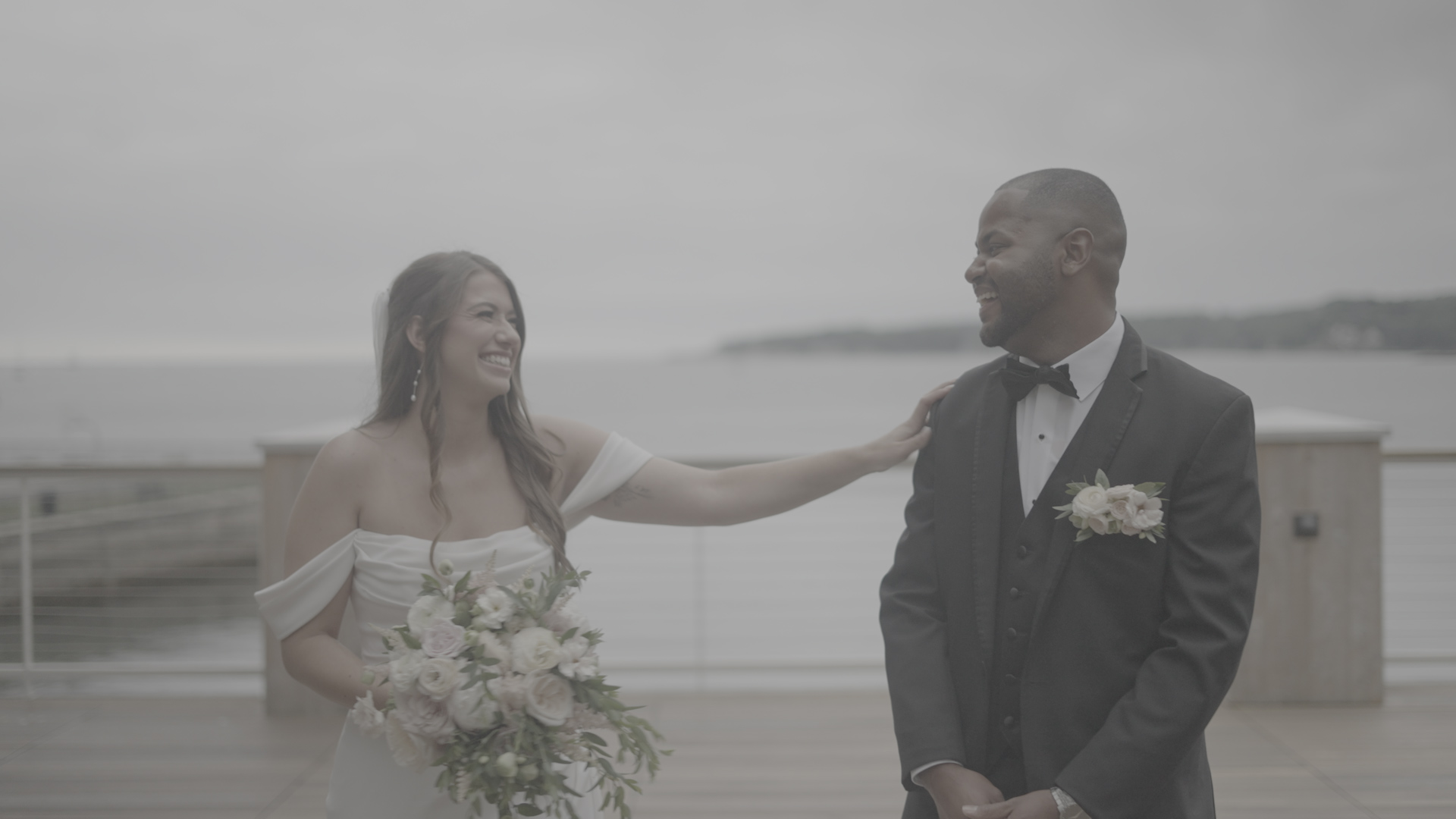 Before grading: flat, desaturated footage straight from the camera.
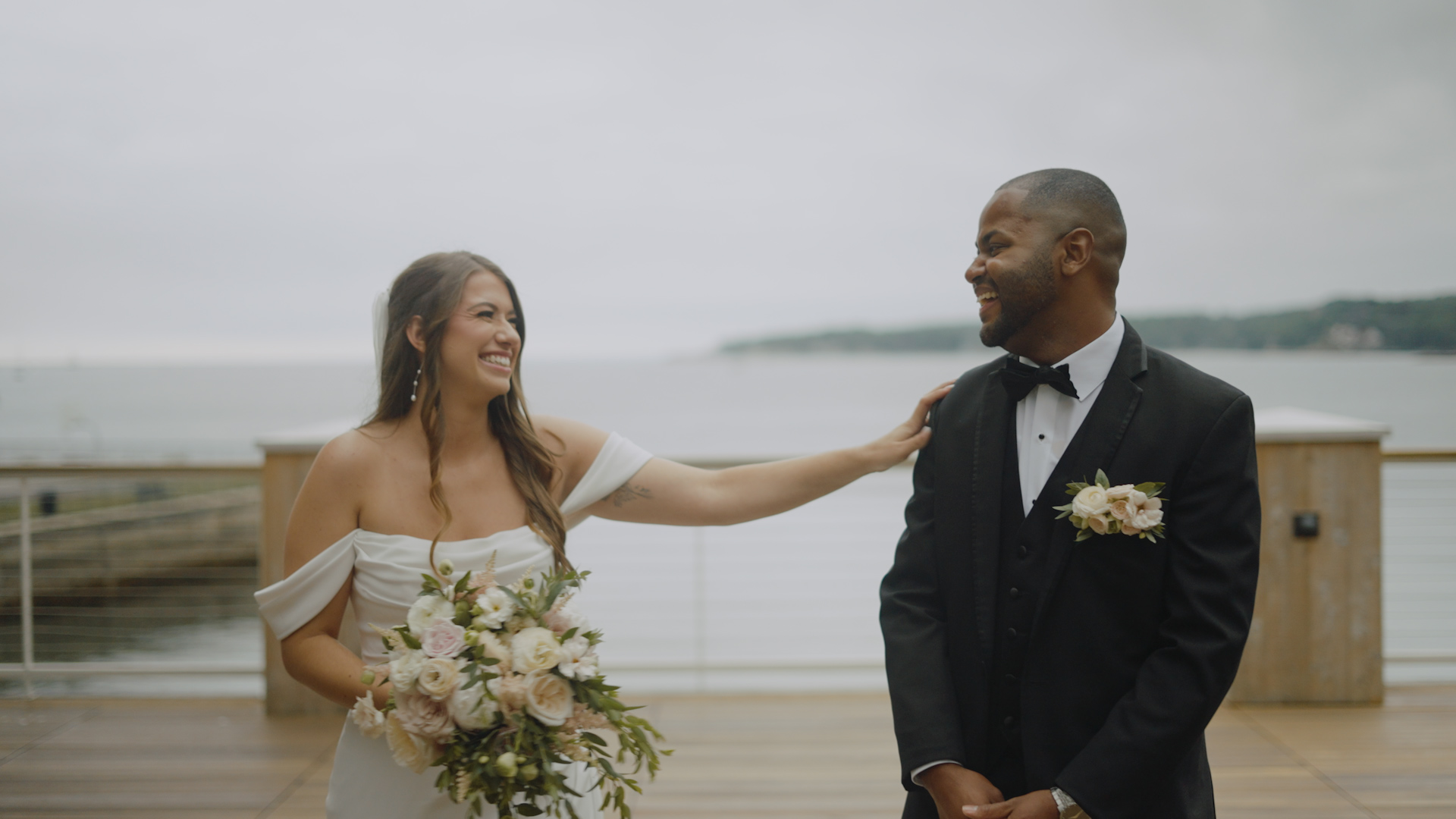 After grading: rich, cinematic color with intentional tone and mood.
Color grading is not a filter. It is a craft. We shoot in flat, desaturated color profiles specifically so we have maximum control in post-production. Every frame gets graded to create a consistent cinematic look that matches the mood and feel of your day.
The before-and-after difference is dramatic. It is the difference between something that looks like a home video and something that looks like a film.
Music Licensing
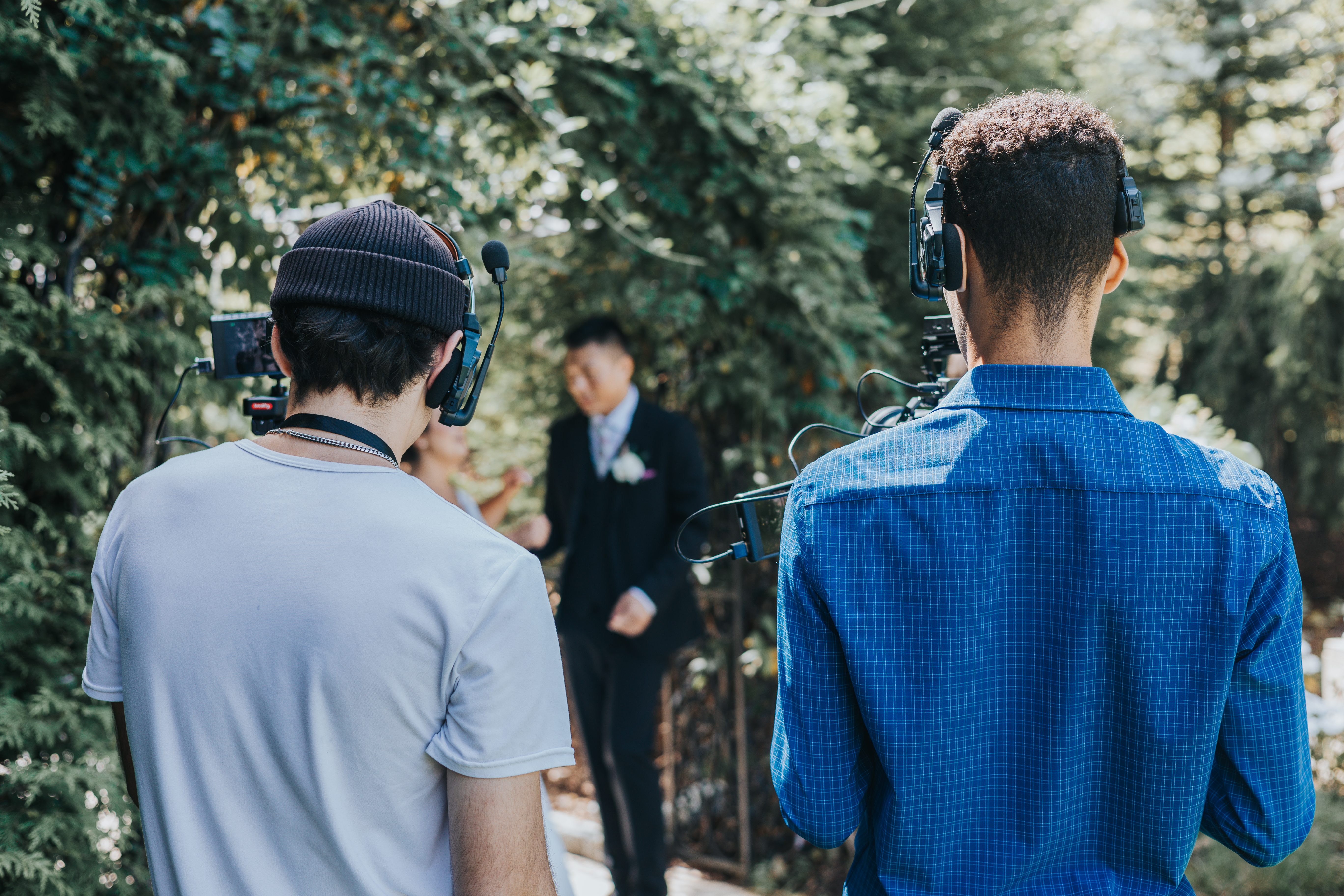 Capturing the raw emotion of the ceremony requires perfect positioning and anticipation.
The music in your film is not pulled from a free library. We license tracks from professional composers and curate a score that serves the story. The right piece of music can transform a sequence from nice to unforgettable.
AI and the Question of Authenticity
Let me address something the entire industry is grappling with.
AI is everywhere right now. Tools exist that can auto-edit highlight reels, generate color grades, clean up audio, and even create entirely synthetic scenes. We would be fools not to use AI as a tool. And we do. AI helps us with technical precision: cleaning up dialogue audio, organizing massive amounts of footage, streamlining parts of the workflow that used to eat up hours.
But here is where I draw the line.
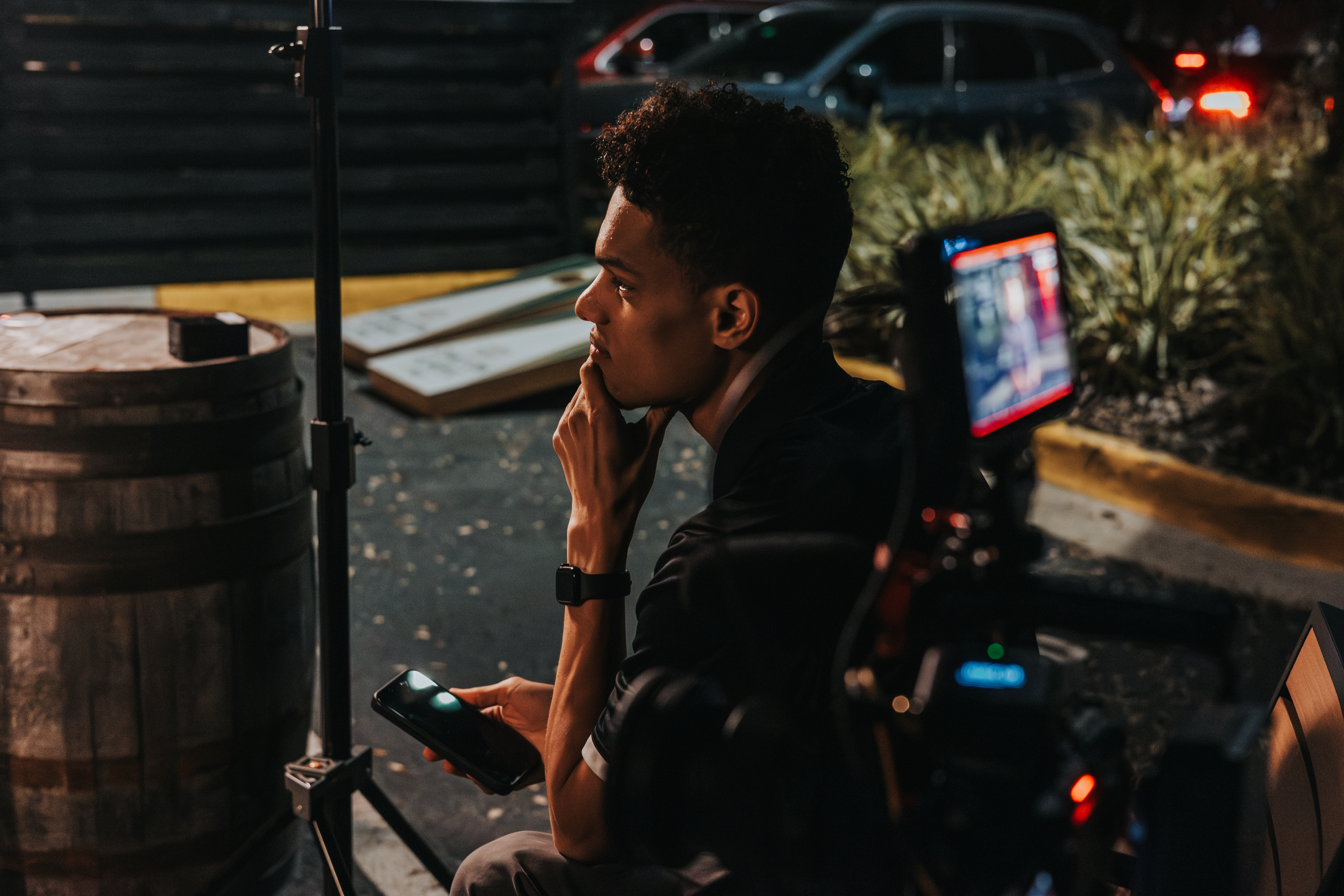
The very nature of what we are filming is human. Your wedding happened once, in real time, with real people feeling real things. That is sacred. And when you watch your film years from now, you want to know that what you are seeing is what actually happened. Not something generated. Not something a machine decided was more visually interesting.
AI enhances authentic stories. It does not manufacture them. That is our line, and we are not crossing it.
I think couples agree. Nobody wants to feel moved by something they know is fake. The entire point is to preserve what was real. AI helps us do that faster and more precisely, but the creative decisions, the storytelling, the emotional intuition: that stays human.
Why We Built Our Own Platform
Planning a wedding is already stressful. When you are coordinating with multiple vendors, juggling timelines, and trying to keep track of everything through scattered emails and shared folders, it gets hectic fast.
I have seen this from both sides. As a filmmaker, I was spending too much time on logistics and not enough time on the actual creative work. And on the client side, I watched couples struggle with a fragmented experience that did not match the premium they were paying for.
So we built something that did not exist. Not off-the-shelf software with our logo on it. A proprietary platform, designed and engineered in-house, that every Skytona couple lives in from booking to delivery. As far as we can tell, nothing else like it exists in the wedding industry.
Here is the problem it solves. When you order a pizza from Domino's, you get a tracker. You know exactly where your pizza is at every step. When it is being made, when it is in the oven, when it is out for delivery. That simple piece of transparency eliminates the anxiety of not knowing.
Now think about wedding films. You have one of the most important creative projects of your life in someone's hands, and most of the time, you have no idea where it stands. You send a follow-up email. Maybe you get a vague response. Maybe you do not hear back for weeks. That experience does not match the investment.
Our couples get a dedicated portal where they can see exactly where their film is in production. No guessing. No anxiety. Full transparency from booking through final delivery. The same portal runs their planning: a guided system that captures the people, moments, and details that matter most, so we walk into the wedding already knowing the story we are there to tell.
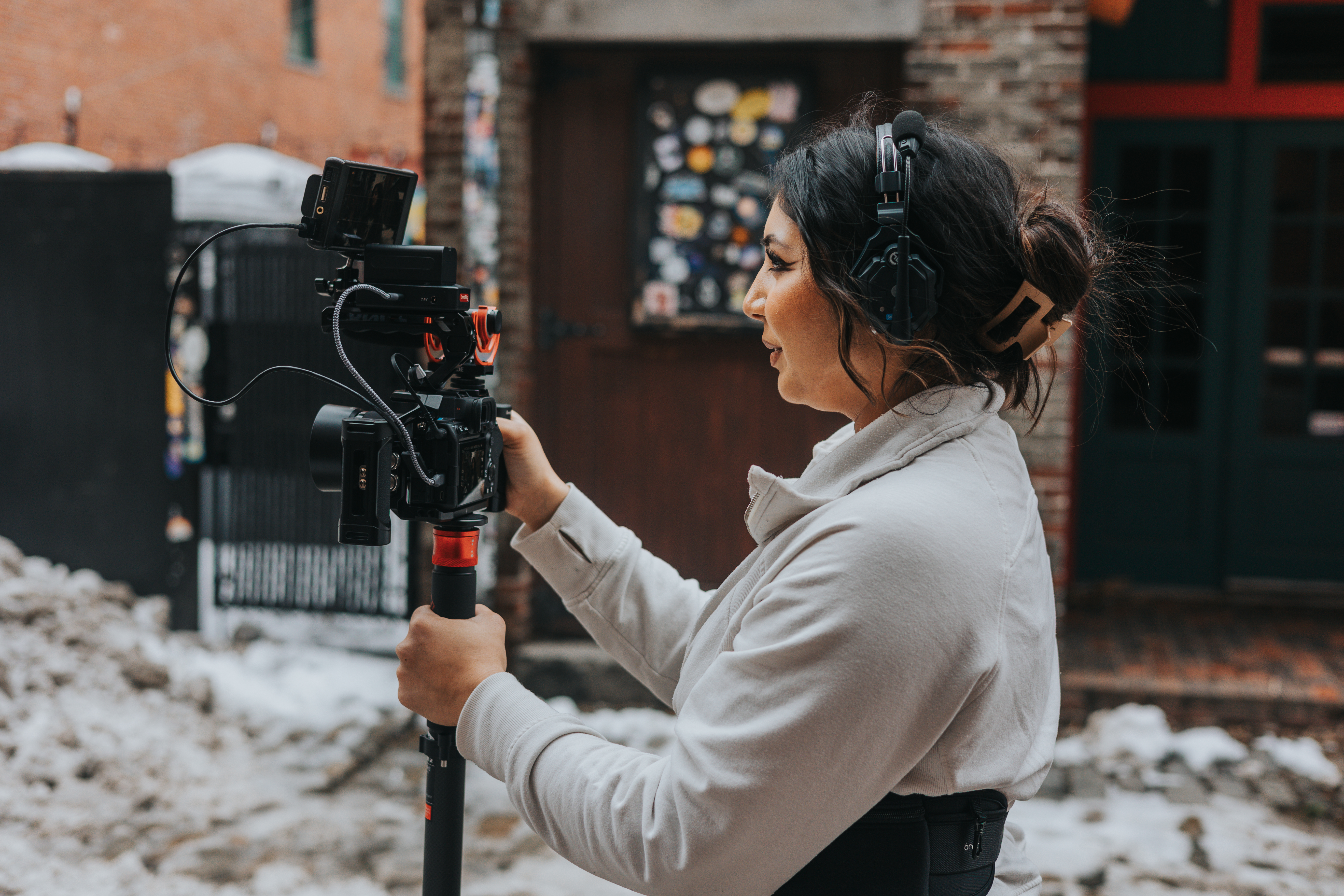 Our team stays out of the way while capturing the most important moments of the day.
And when the film is ready, it premieres in the Cinema Room: a dedicated, premium viewing experience built for the occasion. Not a Vimeo link in an email. Not a Google Drive folder. A purpose-built space that matches the quality of what you are watching.
We did not build this platform to produce cookie-cutter outputs like a factory. We built it to give ourselves an unfair advantage in making films people actually want to watch. Between the equipment we bring and the software behind it, we have designed a system that helps us tell stories better than we ever could before. The technology handles the logistics so we can focus entirely on the craft.
What This Means
Most filmmakers are working with tools that were not built for them. They piece together a CRM, a project management tool, a video hosting platform, a file sharing service, and a communication channel. Five different systems, none of them talking to each other. None of them designed for the specific workflow of wedding filmmaking.
We built one system. Purpose-built. Every feature designed around how we actually work and what our clients actually need.
That means we spend more time on the creative and less time on the technical overhead that slows production down. It means our clients get a premium experience from the first interaction through the final delivery. And it means the films themselves get better, because we are not burning hours on administrative friction.
This Is What We Have Been Building
I started Skytona because I believed wedding films could be better. Not marginally better. Fundamentally different.
The kind of film where your family actually sits down together to watch it, not because they feel like they should, but because they genuinely want to. The kind of film your grandkids discover one day and it makes them feel something about people they may have never met. The kind of film that justifies every hour that went into making it.
That takes time. It takes a team. It takes technology built from the ground up to support that level of craft. And it takes a refusal to cut corners just because the rest of the industry does.
We are not just making films. We are building the future of how they are made, delivered, and experienced.
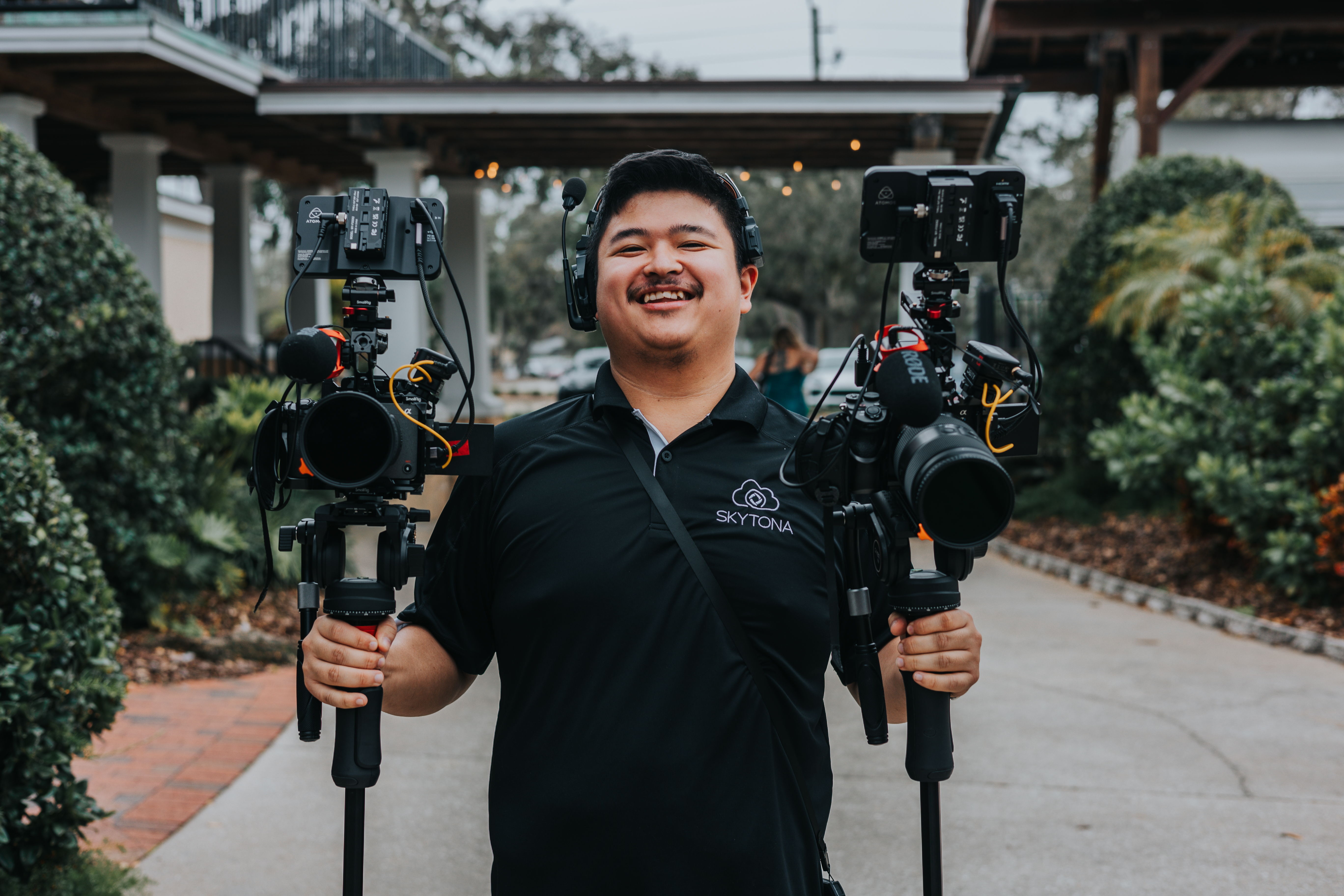
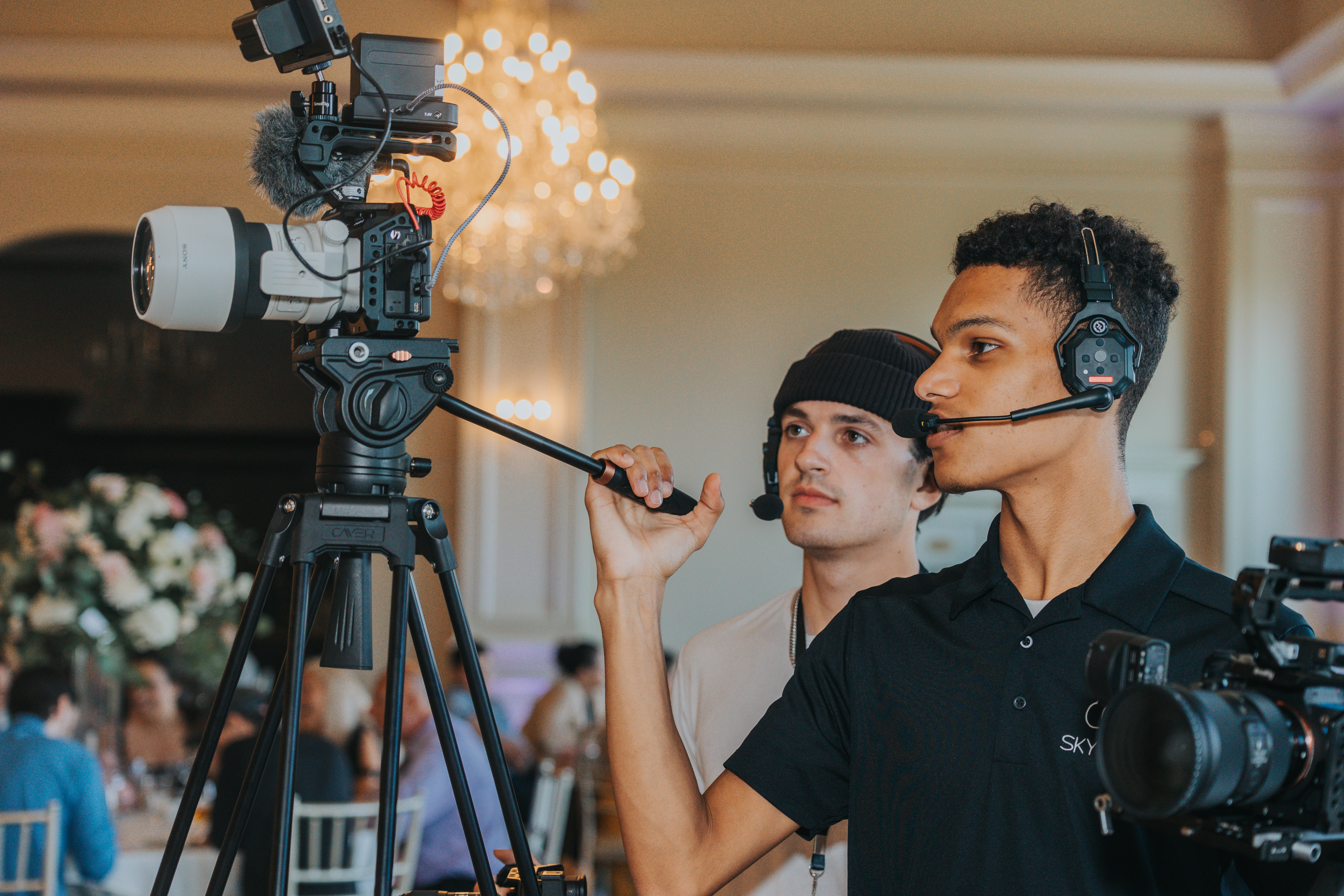 The Skytona team. Dedicated to pushing the boundaries of what a wedding film can be.
And we are just getting started.